
The garment industry is massive and diverse, but behind thousands of product variations, almost everything we wear can be classified into four major garment categories. These four groups, Knit Garments, Woven Garments, Sweaters/Knitwear, and Outerwear cover about 95% of all manufacturing worldwide.
Understanding these categories helps brands, creators, and businesses make informed decisions about design, sourcing, production, and pricing. Each group has its own fabric structure, manufacturing process, advantages, and typical product range.
Below is a complete breakdown of what each category includes, how they differ, and examples of products commonly made within each one.
1. Knit Garments
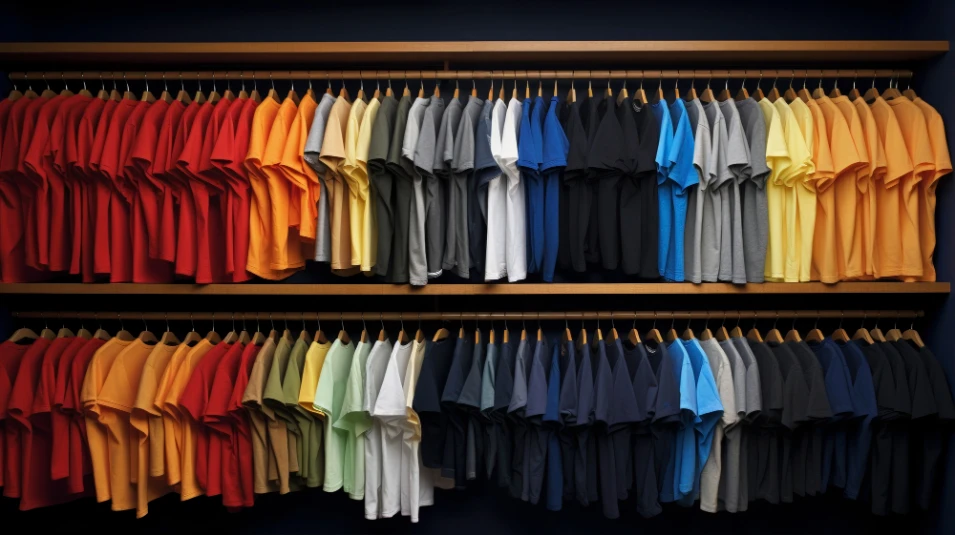
Knit garments are made from knitted fabric, created by interlooping yarns. This structure gives the fabric a natural stretch, softness, and comfort, making knitwear perfect for casual wear, athleisure, and most modern streetwear brands.
Characteristics
- Stretchable and flexible
- Comfortable and breathable
- Often lightweight
- Fits a wide range of body types
- Faster production process compared to woven
How They’re Made
Knit fabrics are produced on circular knitting machines or flat knitting machines, depending on the item. The loops allow the fabric to expand, making it perfect for body-movement garments.
Common Items in This Category
Knit garments dominate everyday clothing. Examples include:
- T-shirts (crew neck, V-neck, oversized, fitted)
- Hoodies (pullover, zip-up)
- Sweatshirts
- Joggers & sweatpants
- Leggings
- Shorts
- Tank tops & camisoles
- Sportswear tops
- Activewear sets
Why They Matter
For brands, knit garments are usually the entry-level and highest-selling items. They are cost-effective to produce and extremely versatile for printing, embroidery, and branding, making them the foundation of most merchandise lines.
2. Woven Garments
Woven garments use warp and weft yarns woven at right angles, creating a stable, less-stretch fabric. They offer structure, durability, and a polished appearance,ideal for formal, professional, and tailored clothing.

Characteristics
- Strong and structured
- Less stretch unless elastane is added
- Excellent for tailoring and outer shells
- High durability and long-lasting
How They’re Made
Woven fabrics are produced on loom machines, where yarns are interlaced. This makes the fabric sturdy and suitable for garments requiring shape retention.
Common Items in This Category
Woven garments are essential across lifestyle, office wear, denim, and uniforms. Examples include:
- Shirts (formal, casual, flannel)
- Pants & trousers
- Jeans & denim jackets
- Chinos
- Shorts (woven)
- Blazers & suits
- Skirts
- Woven dresses
- Button-down tops
Why They Matter
Woven garments define categories where structure and clean lines are essential. They dominate corporate wear, uniforms, denim, and fashion collections that require premium finishing.
3. Sweaters & Fully-Fashioned Knitwear
Sweaters, also known as fully-fashioned knitwear, are different from regular knit garments. While t-shirts and hoodies are made from knit fabric, sweaters are made by knitting the garment panels themselves.

Characteristics
- Thicker yarns
- Warm and insulating
- Made in panels directly on knitting machines
- High-end construction
How They’re Made
Sweaters use flat knitting machines (like Shima Seiki or Stoll) that knit each panel,front, back, sleeves,with precise shaping. These panels are then linked or stitched together.
Common Items in This Category
Sweater knitwear is popular during colder seasons and in premium fashion collections:
- Pullovers
- Cardigans
- Turtlenecks
- Chunky knit sweaters
- Sweater vests
- Knit dresses
- Beanies / knit caps
Why They Matter
This category represents a specialized manufacturing segment with higher craftsmanship. Sweaters require more advanced knitting technology and skill, making them a premium category for brands.
4. Outerwear
Outerwear includes garments designed for protection, weather resistance, and layering. These pieces often involve technical fabrics, insulation, multi-layer construction, and advanced stitching.
Characteristics
- Protective (cold, rain, wind)
- Multi-layer construction
- May include padding, lining, quilting
- Many require heavy machinery for stitching
- Higher manufacturing cost and complexity
How They’re Made
Outerwear production involves:
- Fabric layering
- Synthetic or down insulation
- Waterproof or windproof shells
- Specialized seaming, bonding, taping, or quilting
Common Items in This Category
Outerwear includes a wide range of protective garments:
- Jackets (bomber, varsity, coach)
- Puffer jackets
- Parkas
- Windbreakers
- Trench coats
- Raincoats
- Overcoats
- Heavy winter coats
Why They Matter
Outerwear is one of the most premium and profitable product segments. The higher perceived value and complexity make it ideal for brands looking to scale into premium collections.
5. Why These 4 Categories Dominate 95% of Apparel Manufacturing
Although there are many sub-categories, kidswear, sportswear, uniforms, and activewear, they all fall under these four main groups. Here’s why:
1. Based on Fabric Structure
Everything is either:
- Knit fabric
- Woven fabric
- Fully-fashioned knit fabric
- Technical outerwear construction
These define the production workflow.
2. Based on Machinery
Different garments require different machine types:
- Circular knitting → T-shirts
- Loom machines → Shirts & pants
- Flat knitting → Sweaters
- Specialized machines → Jackets & outerwear
3. Based on Use Case
Most global demand falls into four lifestyle segments:
- Casual wear
- Formal wear
- Winter wear
- Fashion basics
4. Based on Manufacturing Ecosystems
Factories worldwide are typically specialized in one or two of these categories only.
Final Thoughts
If you understand these four garment categories, you understand the structure of the global apparel industry. Whether you’re launching a merch brand, sourcing products, or building a clothing line, every item you create will fall into one of these groups.
For creators and businesses working with solutions like 3Pointers, this knowledge helps you choose the right products, understand costs, plan designs, and build a scalable merch ecosystem.