
So you want to start a clothing brand? Welcome to the world where creativity meets logistics, passion meets sampling costs, and where everyone’s suddenly an expert in GSM, Pantone colors, and international freight.
Launching a clothing brand in 2025 requires more than a cool logo and a dream. Consumer expectations are higher, production is more complex, and competition is fiercer. But with the right roadmap (this one), you can build a brand that doesn’t just sell clothes—it builds community, identity, and revenue.
Let’s jump in.
1. Define Your Brand Identity (Because “premium streetwear” is not an identity)
If your brand identity can be replaced with any other brand’s name and still make sense, it’s not an identity.
Clarify Your Brand Pillars
Ask yourself:
- What problem does my brand solve?
- What emotion does my clothing create?
- What values define the brand?
- Who is my customer? (specifically, not “everyone aged 18–35”)
Example:
“Elevated basics for people who want luxury feel without luxury pretension.”
Build Your Brand Aesthetic
Decide on:
- Fit (oversized, tailored, relaxed)
- Fabric story
- Color palette
- Visual tone
- Signature silhouette
Strong identity → strong loyalty.
2. Research the Market Like a Founder, Not a Fan

This is where most brands skip ahead and regret it later.
Start with understanding:
- What categories are growing
- What customers actually pay for
- Where the opportunity gaps are
Industry Size & Opportunity
The global apparel market sits at $1.84 trillion in 2025, with niche and micro-brands growing the fastest according to industry data from UniformMarket
For broader luxury, streetwear, and global fashion trends driving 2025 consumer behavior, the McKinsey “State of Fashion” report is the gold standard
Knowing the market lets you position your brand where demand is going—not where it has been.
3. Build a Realistic Business Plan (Welcome to the fabric bill)
No, you cannot start a real premium clothing brand for $500.
Here are realistic, industry-standard numbers for 2025.
Realistic Startup Costs for a Clothing Brand in 2025
A. Sampling & Product Development ($800–$3,500 per style)
Multiple rounds of sampling are normal. Real brands refine fit 2–4 times.
This includes:
- Pattern making
- Fit development
- Fabric testing
- Lab dips
- Multiple iterations
This is the most important stage and often the most expensive—because fit + fabric = brand identity.
B. First Production Run (200–300 units): $6,000–$18,000
Typical landed costs:
- Premium tees: $18–$28
- Hoodies: $35–$55
- Sweatpants: $25–$40
Multiply by 200–300 units and add freight, duties, QC, and packaging.
Why is production more expensive in 2025
Minimum wages in major apparel hubs like Bangladesh increased significantly, with garment worker wages set at 12,500 BDT/month per the wage announcement covered by The Daily Star:
More context via Reuters
This raises costs globally but improves worker conditions.
C. Content Creation & Branding ($1,000–$6,000)
Because in 2025, your photos sell your clothes.
Includes:
- Product photography
- Lifestyle shoots
- Video content (TikTok, IG Reels)
- Brand identity design
High-end brands invest heavily here and it shows.
D. Packaging & Labels ($500–$2,500)
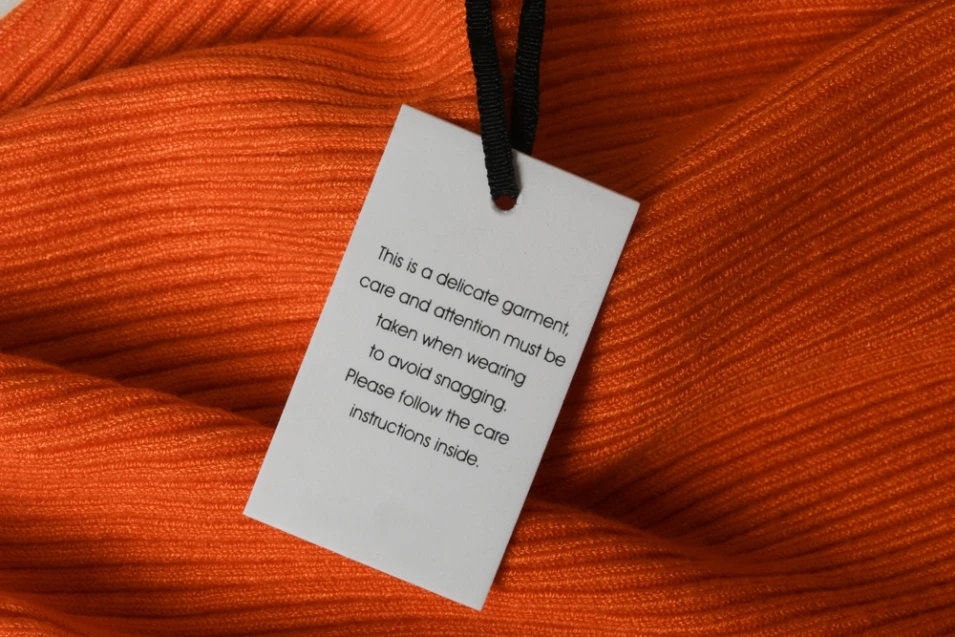
Includes:
- Custom woven labels
- Hangtags
- Branded mailers
- Thank-you cards
Packaging is brand experience. It matters.
E. Website & Tech ($1000–$6,000)
In 2025, smart brands are moving away from rented, closed ecommerce platforms and choosing WordPress + WooCommerce for full ownership, scalability, and long-term freedom.
WooCommerce gives you:
- 100% ownership of your store and data
- Zero transaction fees
- Unlimited customization
- Better SEO control
- Lower long-term cost
- The ability to scale without platform restrictions
- Integration flexibility for AI, logistics, inventory, and product customization
If you’re building a serious clothing brand, WooCommerce is the most future-proof platform ,because it grows with you, not against you.
F. Marketing Budget ($1,500–$10,000)
Includes:
- Influencer seeding
- Paid ad testing
- Email/SMS flows
- Launch-day promotions
Marketing is fuel. Without it, even the best clothing won’t sell.
Realistic total startup cost:
- Lean but serious: $6,000–$12,000
- Professional premium brand: $12,000–$25,000
- High-end luxury streetwear: $25,000–$60,000+
This is what real brands spend.
4. Choose a Hero Product (Do NOT start with 8 items)
Examples of great starting points:
- One perfect tee
- One hoodie
- One sweatpant
- One women’s set
- One technical top
Examples of successful “hero product” brands:
- Gymshark → A single stringer tank
- Lululemon → One pair of yoga pants
- Crocs → The croc
Start focused. Scale later.
5. Fabric & Fit Development (The soul of your brand)
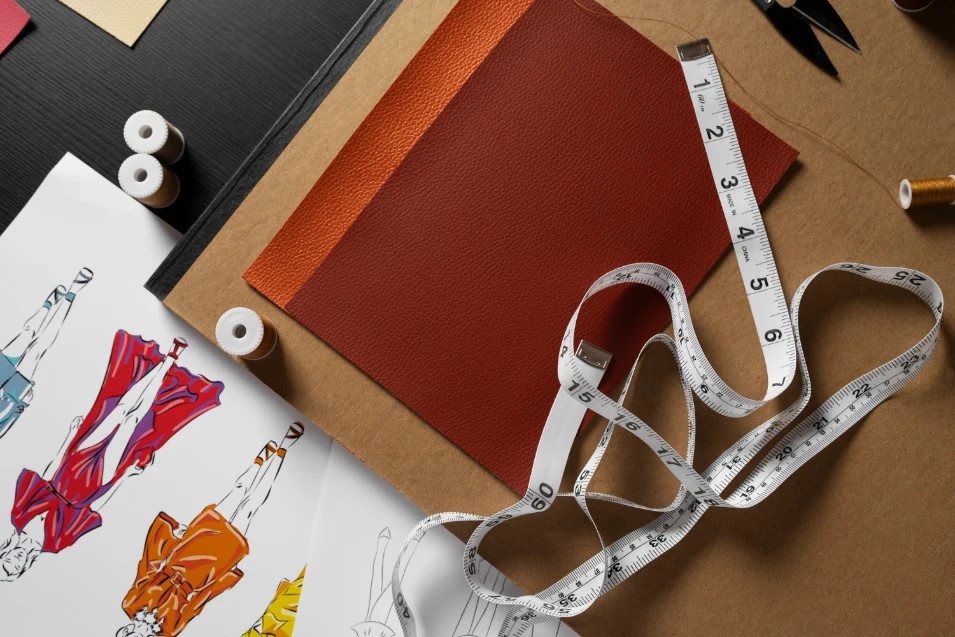
95% of repeat customers return because the fit stays consistent.
Learn your fabrics:
- 220–240 GSM → premium tee
- 300–360 GSM → hoodie fleece
- French terry vs fleece
- Ribbed vs jersey
- Reactive vs pigment dye
A premium oversized tee often features:
- 230–250 GSM cotton
- Drop shoulders
- Wider chest
- Slightly cropped length
Nail fit → nail loyalty.
6. Find the Right Manufacturer (Your most important partnership)
Look for:
- Low MOQs (150–300)
- Good communication
- Compliance (WRAP, BSCI, GOTS, OEKO-TEX)
- Reasonable timelines
- Experience with your product type
Factories are partners, not vendors.
7. Create a Branding Identity Pack
Includes:
- Logo variations
- Font system
- Brand colors
- Mockups
- Tone of voice
Example playful tone:
“Made for people who take comfort seriously—but nothing else.”
Branding is emotion. Clothing is the medium.
8. Price Your Products Properly (Not emotionally)
Use this formula:
Retail Price = Total Landing Cost × 2.5–3.5
Landing cost includes:
- Production
- Freight
- Duty
- Packaging
- Fulfillment
- Ecommerce fees
- Samples (pro-rated)
Underpricing kills brands faster than anything else.
9. Approve Production & Begin Manufacturing
Checklist:
- Approve fit sample
- Approve fabric
- Approve lab dips
- Approve trims
- Approve print/embroidery tests
- Pay deposit
- Track progress
Lead times:
- Tees: 25–40 days
- Hoodies: 30–45 days
- Complex garments: 45–60+ days
10. Build Your Online Store (Your digital flagship)
Your store should include:
- High-quality product images
- Lifestyle photoshoot shots
- Sizing chart
- About page
- FAQ
- Clear policies
Product images influence 75% of purchase decisions, according to Shopify’s ecommerce insights:
https://www.shopify.com/blog/ecommerce-statistics
Make visual content a priority.
11. Content, Content, Content ,Welcome to the Media Side
Brands that post daily grow 2–3× faster than brands that post 1–2× weekly, per social media analysis from Hootsuite & Laterhttps:
Create:
- Reels
- TikToks
- BTS videos
- Try-ons
- Founder storytelling
- Customer reposts
Clothing brands are not clothing companies.
They are media companies that sell clothing.
12. Launch Day Strategy
To launch properly:
- Teasers 1–2 weeks before
- Email blast
- SMS reminder
- Influencer seeding
- BTS content
- UGC
- Countdown timer
- Optional launch promo
Never launch quietly. Clothing brands grow through hype + storytelling.
13. Packaging & Fulfillment
What you need:
- Woven labels
- Hangtags
- Branded poly mailers
- Thank-you cards
- Clean folding & presentation
Good packaging → repeat customers.
14. Measure & Optimize
Track:
- Conversion rate (1.5%–3% is normal per Shopify benchmarks)
- Average order value
- Sell-through rate
- Return rate
- Customer acquisition cost
- Returning customer percentage
Data builds brands. Guessing kills them.
15. Scale Smart (Not recklessly)
Scale by:
- Adding new colors
- Introducing new silhouettes
- Better fabrics
- Accessories
- Collabs
- Increasing production quantity
Scale what works.
Eliminate what doesn’t.
Final Thoughts
Launching a clothing brand in 2025 is absolutely doable if you understand the real costs, take your time with sampling, build a strong identity, and create great content.
This checklist gives you:
- A roadmap
- Real numbers
- Real expectations
- Industry-supported facts
- Hyperlinked references for credibility and backlinks
Do this right, and your brand won’t just sell clothing.
It will build a loyal community around your vision.