
When you’re starting a clothing brand ,whether it’s streetwear, athleisure, loungewear, or merch ,understanding fabric fundamentals is one of the most important steps. Good design matters, but fabric choice determines comfort, durability, structure, printing results, and whether customers feel your products are “premium.” in short fabric choice determines 70% of the quality your customers will feel.
Most new founders struggle because fabric language sounds technical:
- “What is GSM?”
- “What’s the difference between cotton and cotton blends?”
- “What does 2% spandex actually do?”
- “Why do some hoodies feel heavy and others feel cheap?”
- “Why do some shirts stretch and bounce back while others get loose?”
This guide breaks down everything you NEED to know as a beginner to make smart decisions, communicate with manufacturers properly, and choose the right material for your brand.
Let’s start with the basics.
1. What Is GSM? (The Most Important Fabrics Metric)
GSM = Grams Per Square Meter.
It measures the weight of fabric.
Think of GSM as the “thickness level” of your garment.
- Low GSM = lighter, thinner
- High GSM = heavier, thicker
Common GSM Ranges
| Product Type | Typical GSM |
| Lightweight T-shirts | 130–150 GSM |
| Standard T-shirts | 160–180 GSM |
| Oversized T-shirts | 180–220 GSM |
| Sweatshirts/Hoodies | 260–350 GSM |
| Joggers | 240–300 GSM |
| Summer Shorts | 180–220 GSM |
| Heavy Winter Hoodies | 330–450 GSM |
Example:
- A 150 GSM tee feels soft, airy, and light ,good for hot climates.
- A 200 GSM oversized tee feels premium, thicker, and holds structure better.
- A 350 GSM hoodie feels dense, cozy, and expensive.
GSM Misconception:
Higher GSM doesn’t always mean “better.”
It depends on what you’re creating.
If you’re making a summer brand in a hot climate (e.g., Bangladesh, India, Malaysia, Florida), a 220 GSM hoodie makes more sense than a 450 GSM one.
2. Fabric Blends (Cotton, Polyester, Spandex & More)
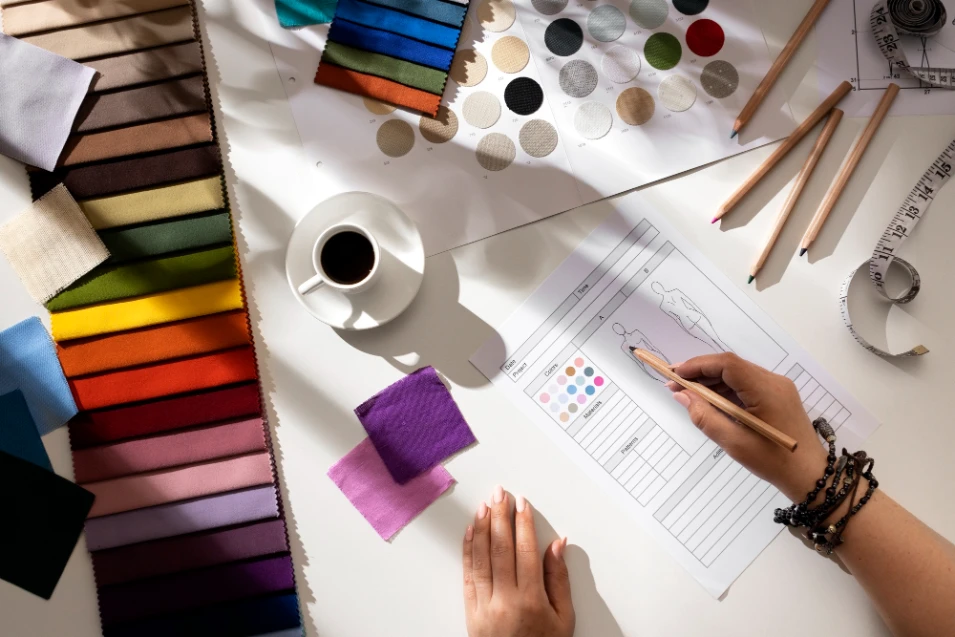
Fabric blends change:
- Softness
- Breathability
- Durability
- Shrinkage
- Printing Quality
- Comfort
- Price
Understanding blends is essential.
A. 100% Cotton
Soft, breathable, natural, comfortable.
Pros:
- Best for sensitive skin
- Great for printing (screen print, DTG)
- Breathable
- Soft hand-feel
- Premium perception
Cons:
- Shrinks if not pre-shrunk
- Wrinkles easily
- Can fade over time
- Heavy cotton stays wet longer
Best For:
- T-shirts
- Streetwear
- Oversized tees
- Premium basics
Example:
If your brand focuses on minimalistic, earth-toned basics ,100% cotton is perfect.
B. Cotton + Polyester Blends
Common ratios: 80/20, 70/30, 60/40
These blends combine cotton’s comfort with polyester’s durability.
Pros:
- Less shrinkage
- Less wrinkles
- Durable
- Affordable
- Retains shape
Cons:
- Slightly less breathable
- Polyester may feel warm in hot climates
- DTG printing is weaker on high-poly fabrics
Best For:
- Hoodies
- Sweatshirts
- Activewear basics
- Everyday tees
Example:
An 80/20 cotton-poly hoodie stays soft and cozy but holds its structure and lasts longer in wash cycles.
C. Cotton + Spandex (2–5%)
Spandex adds stretch + recovery.
Pros:
- Greater flexibility
- Shape retention
- Comfortable for movement
- Perfect for fitted garments
Cons:
- Higher cost
- Not ideal for heavyweight prints (stretch cracks ink)
Best For:
- Activewear
- Leggings
- Fitted tees
- Ribbed tops
Example:
A 95% cotton + 5% spandex baby tee hugs the body without losing shape.
D. Polyester + Spandex
Used in performance wear.
Pros:
- Quick-dry
- Super durable
- High stretch
- Sweat-wicking
Cons:
- Not breathable like cotton
- Synthetic hand-feel
- Can pill over time
Best For:
- Gym wear
- Yoga leggings
- Sports bras
- Running tops
E. Fleece (For hoodies and sweats)
Two major types:
1. Brushed Fleece (Soft inside)
Inside is brushed to create a soft, fuzzy texture.
Good For: Cold weather hoodies, premium merch.
2. French Terry (Looped inside)
Lighter, more breathable, great for all-year wear.
Good For: Midweight hoodies, joggers, shorts.
3. Stretch: The Real Meaning Behind “Elastane / Spandex / Lycra”
These terms mean the same thing: stretch fiber.
The percentage dramatically changes how a garment behaves.
0% Stretch
Pure cotton/woven fabric.
No elasticity.
Best for shirts, jackets, structured garments.
2–5% Stretch
Ideal for:
- Fitted Tees
- Tops
- Leggings
- Joggers
- Ribbed Wear
Gives a perfect balance between comfort and structure.
10–20% Stretch
Used for:
- Yoga Wear
- Athletic Compression
- High-Flex Garments
Example:
A 95/5 cotton-spandex tee stretches slightly and returns to shape.
A 90/10 polyester-spandex legging stretches significantly and hugs the body tightly.
4. Knitted vs Woven Fabrics (The Foundation of Everything)
Understanding this helps you predict feel, stretch, durability, and garment behavior.
A. Knitted Fabrics (T-shirts, Hoodies, Joggers)
Made by looping yarns.
Characteristics:
- Soft
- Stretchy
- Comfortable
- Flexible
- Breathable
Common Knit Items:
- T-shirts
- Hoodies
- Sweatshirts
- Joggers
- Leggings
- Ribbed tops
B. Woven Fabrics (Shirts, Jackets, Pants)
Made by weaving yarns at right angles.
Characteristics:
- Structured
- Durable
- Less stretch
- Holds shape
Common Woven Items:
- Shirts
- Chinos
- Denim jackets
- Cargo pants
- Overcoats
Quick Example Comparison:
| Feature | Knit | Woven |
| Stretch | High | Low |
| Feel | Soft | Structured |
| Best For | Casual wear | Formal/outerwear |
| Examples | Tees, hoodies | Shirts, pants |
5. How Fabrics Affect Printing (Critical for Merch & Streetwear)
Different fabrics behave differently under printing methods.
A. Screen Printing
Best For: 100% cotton, cotton blends
Not Great For: high-stretch garments
- Vibrant colors
- Long-lasting
- Works well on heavy GSM
B. DTG (Direct to Garment)
Best For: 100% cotton
Not Ideal For: poly blends, fleece
DTG loses quality with too much polyester.
C. Puff Print
Needs stable surface.
Best For: mid-to-heavy GSM tees (180–240 GSM)
Thin fabric collapses the puff effect.
D. Embroidery
Best For: hoodies, sweatshirts, heavy tees
Avoid On: thin tees (pulling + puckering)
Understanding fabrics → better printing → better final product.
6. Fabric Finishes & Hand-Feel (Why Some Fabrics Feel Premium)
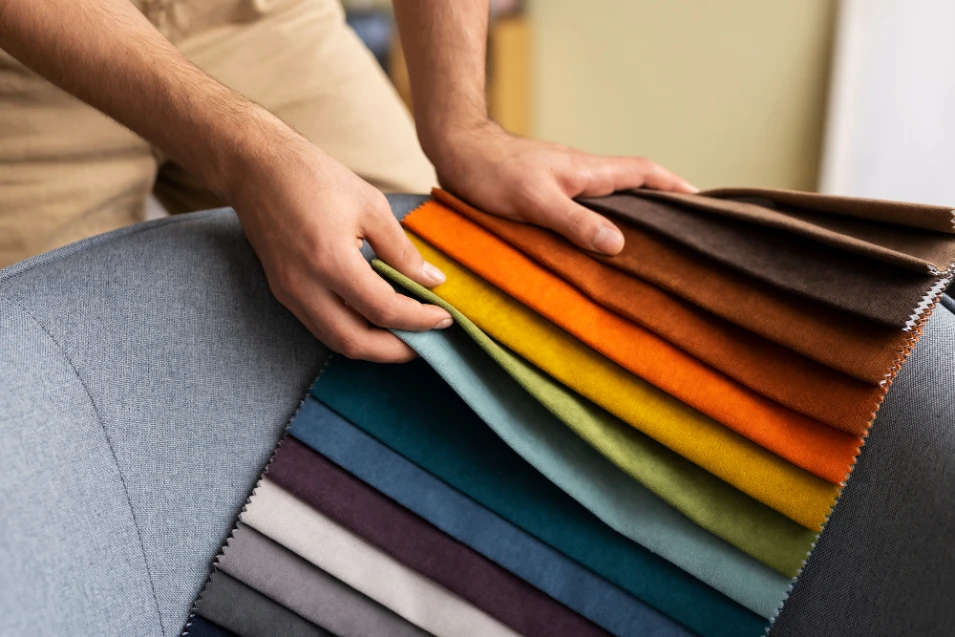
Two fabrics with the same GSM can feel completely different.
Why? Finish.
A. Sueded Finish
Soft, velvety feel.
Great for premium tees.
B. Enzyme Wash
Removes impurities → smoother hand-feel.
C. Silicone Wash
Adds softness + slight stretch.
Used in high-end streetwear.
D. Bio-Wash
Prevents pilling and improves durability.
7. Shrinkage: The Silent Quality Killer
Cotton shrinks. Polyester doesn’t.
Blends shrink less.
Typical Shrinkage Rates:
- 100% cotton without prewash → 5–10%
- Preshrunk cotton → 1–3%
- Cotton-poly blend → 2–4%
- Polyester → <1%
Example:
If a 100% cotton tee fits perfectly before washing, it may feel tighter afterward unless the manufacturer controlled shrinkage.
8. Choosing the Right Fabric Based on Your Brand Style
Here’s a simple breakdown.
A. Streetwear Brands
Prioritize:
- 200–240 GSM tees
- 300+ GSM hoodies
- 80/20 cotton-poly fleece
- 100% cotton tees, oversized cuts
Streetwear is about structure + premium feel.
B. Athleisure Brands
Prioritize:
- Polyester-spandex blends
- High stretch
- Quick dry
- High recovery
C. Minimalist Essentials Brands
Prioritize:
- 100% cotton tees
- French terry hoodies
- Neutral colors
- High GSM tees (but breathable)
D. Summerwear Brands
Prioritize:
- Lightweight cotton (150–170 GSM)
- Poly-cotton blends
- French terry shorts
E. Premium Brands
Prioritize:
- Silicone washed tees
- Heavy fleece hoodies
- Custom knit fabrics
- Ribbing with spandex
9. Real-World Scenarios (So You Understand Fabric Behavior)
Let’s break down a few examples:
Scenario 1: Your Hoodie Feels “Empty”
Reason:
- Low GSM (below 250 GSM)
- Thin fleece
- No brushing on the inside
Fix:
- Choose 300–350 GSM
- Brushed fleece inside
- 80/20 cotton-poly blend
Scenario 2: Your Tee Loses Shape After Two Washes
Reason:
- 100% cotton with no spandex
- Low GSM
- Poor knitting tension
Fix:
- 95/5 cotton spandex
- 180–220 GSM
- Prewashed fabric
Scenario 3: Your Print Cracks
Reason:
- Fabric stretches beyond ink ability
- Heavy screen print on stretchy fabric
- DTG on low GSM fabric
Fix:
- Use screen print on stable fabrics
- Use puff print on mid-heavy tees
- Avoid DTG on polyester
Scenario 4: Your Joggers Feel Too Hot
Reason:
- High polyester content
- Brushed fleece used in warm climate
Fix:
- French terry
- Cotton-rich blends
- Lower GSM
Final Thoughts: Fabric Is the Core of Clothing Quality
If you’re starting a clothing brand, fabric knowledge is one of your biggest advantages. Good fabrics make your brand feel premium. Poor fabrics destroy your brand reputation.
By understanding GSM, blends, stretch, knit vs woven behavior, and shrinkage ,you’ll avoid the common mistakes beginners make and create garments your customers actually love.